
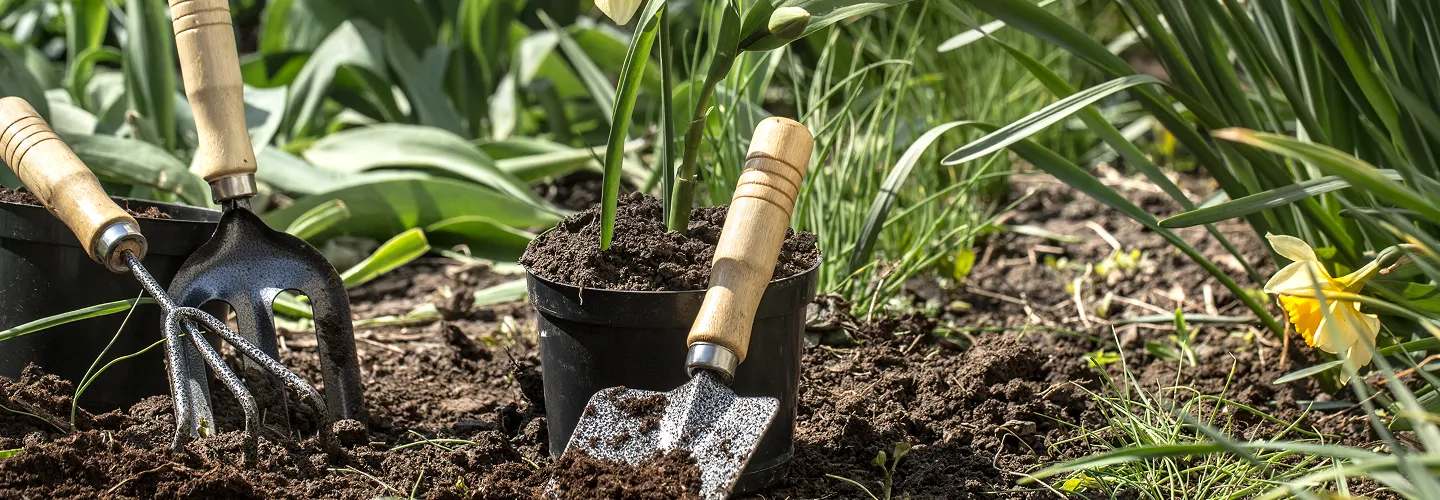
Americus Brush Removal Services
Choose our professional brush removal services for fast, thorough clearing that enhances your property's safety, appearance, and value—handled by experienced local experts you can trust.
Get a Free QuoteOur Americus Landscaping & Yard Care Services
When to Schedule Brush Removal in Americus, Georgia – Seasonal Guide
In Americus, Georgia, timing your brush removal is crucial for maintaining a healthy and attractive landscape. The best periods for this service are typically late winter through early spring and again in late fall, when vegetation is dormant and easier to manage. Americus’s climate features mild winters and hot, humid summers, so scheduling brush removal before the growing season helps prevent overgrowth and reduces fire risk during the drier months. Neighborhoods near Rees Park and the historic downtown area often experience dense shade coverage and clay-heavy soils, which can impact how quickly brush accumulates and decomposes. Local environmental factors such as the average last frost date in early March, periodic drought conditions, and high summer humidity all play a role in determining the optimal time for clearing brush. Homeowners should also be aware of municipal guidelines and seasonal restrictions, which can be found on the city’s official website.
Local Factors to Consider for Brush Removal in Americus
- Tree density and type of vegetation (e.g., pine vs. hardwood)
- Terrain and slope, especially in areas like Lake Phyllis or near the Flint River
- Seasonal precipitation patterns and risk of drought
- Municipal restrictions or neighborhood association guidelines
- Soil type and drainage, particularly in shaded or low-lying lots
- Proximity to structures or utility lines
Benefits of Brush Removal in Americus

Enhanced Curb Appeal
Improved Property Safety
Prevention of Pest Infestations
Increased Usable Outdoor Space
Healthier Landscape Growth
Boosted Property Value
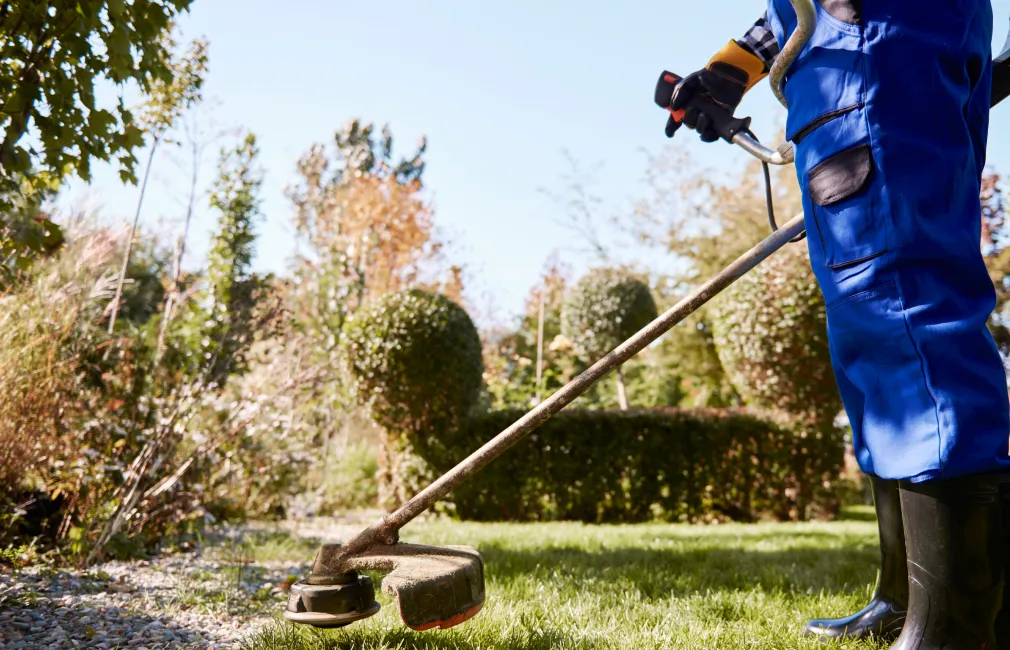
Americus Brush Removal Types

Tree and Shrub Clearing
-
Underbrush Removal
-
Lot and Land Clearing
-
Stump Grinding
-
Debris Hauling
-
Invasive Plant Removal
-
Storm Damage Cleanup
Our Brush Removal Process
Site Evaluation
Safety Preparation
Brush Clearing
Debris Removal
Final Inspection
Why Choose Americus Landscape Services
-
Americus Homeowners Trust Us
-
Expert Lawn Maintenance
-
Reliable Scheduling
-
Competitive Pricing
-
Professional Team
-
Satisfaction Guarantee
-
Personalized Service
Navigating Americus Public Works Coordination for Brush Disposal and Curbside Placement
Residents and property managers in Americus must coordinate brush disposal through the city's established municipal processes. The Americus Public Works Department oversees infrastructure maintenance, including management of vegetative debris placed within the public right-of-way. When preparing brush for curbside collection, property owners should follow these general guidelines:
- Cut limbs and branches into manageable lengths, typically no longer than four to six feet, and stack them neatly at the curb parallel to the street.
- Do not place brush piles over storm drain inlets, sidewalks, or fire hydrants.
- Separate brush from household garbage and recyclables to facilitate efficient pickup.
- Avoid placing brush in drainage ditches or swales that direct stormwater flow.
Verify current collection schedules and any seasonal volume restrictions directly with the department, as pickup frequency may vary following storm events or during peak growing months from April through October.
Americus Public Works Department
109 Mayo Street, Americus, GA 31709
Phone: (229) 924-4411
Official Website: Americus Public Works Department
How Americus Code Enforcement Standards Affect Overgrown Brush and Lot Maintenance
Americus enforces property maintenance standards that directly affect brush accumulation on residential and commercial parcels. The city's Code Enforcement division monitors properties for violations related to overgrown vegetation, accumulated debris, and unmaintained lots that may pose safety or nuisance concerns. Property owners should be aware of the following:
- Lots with excessive brush growth, fallen limbs, or dense undergrowth may be cited for code violations, particularly when vegetation encroaches on sidewalks, rights-of-way, or neighboring properties.
- Vacant and occupied parcels are both subject to inspection and enforcement action.
- Repeated violations may result in the city arranging abatement at the property owner's expense.
Proactive brush removal helps maintain compliance and prevents potential fines. Property owners uncertain about specific thresholds or timelines for compliance should consult the city's Community and Economic Development Ordinances page for applicable local regulations. Addressing brush buildup before it reaches violation status is both a legal obligation and a community responsibility.
Americus Code Enforcement
119 South Lee Street, Americus, GA 31709
Phone: (229) 924-4411
Official Website: Americus Code Enforcement
Protecting Muckalee Creek Corridors and Americus Storm Drains During Brush Clearing
Americus sits within the Flint River basin, and Muckalee Creek and its tributaries flow through and around the city, making stormwater and watershed protection a critical consideration during brush removal work. The Georgia EPD Watershed Protection Branch and federal Clean Water Act standards require that vegetative debris not be deposited into streams, drainage channels, or wetland areas. During brush clearing operations in Americus, the following precautions apply:
- Never push or dump brush into creek channels, roadside ditches, or stormwater conveyance structures.
- Maintain a vegetated buffer of at least 25 feet from the top of any creek bank when staging or chipping brush material.
- Prevent soil disturbance on slopes adjacent to waterways, as Americus's Coastal Plain soils—predominantly Tifton sandy loam and Greenville sandy clay loam according to the USDA Web Soil Survey—are susceptible to erosion when exposed.
- Cover or contain brush piles near storm drain inlets to prevent smaller debris from washing into the municipal stormwater system during rain events.
These measures protect local water quality and help Americus maintain compliance with EPA NPDES stormwater discharge requirements.
Optimal Brush Removal Timing for Americus's Long Growing Season and Storm Patterns
Americus falls within USDA Hardiness Zone 8b, characterized by mild winters, long warm seasons, and average annual rainfall exceeding 48 inches according to the National Weather Service. This climate drives rapid vegetative growth from late March through early November, making brush accumulation a persistent maintenance concern. Property owners should plan brush removal around these seasonal factors:
- Late winter (February–early March): Ideal for clearing dormant brush before spring growth accelerates. Deciduous species are leafless, improving visibility and reducing volume.
- Post-storm periods (June–September): Americus is subject to severe thunderstorms and occasional tropical weather remnants during summer months. Fallen limbs and storm-generated brush should be cleared promptly to prevent drainage obstruction and code violations.
- Late fall (November–December): A secondary window for clearing accumulated growth before winter dormancy, particularly for properties with dense privet, wisteria, or other invasive understory species common in Middle Georgia.
The UGA Cooperative Extension recommends addressing invasive brush species such as Chinese privet and kudzu before they set seed, typically by mid-summer, to reduce regrowth pressure. The Georgia Forestry Commission can also provide guidance on managing woody vegetation on larger parcels or properties adjacent to forested land.
Georgia Forestry Commission
P.O. Box 819, Macon, GA 31202
Phone: (478) 751-3500
Official Website: Georgia Forestry Commission
Safety Standards and Equipment Considerations for Brush Work on Americus Properties
Brush removal on Americus properties involves inherent safety risks that require proper equipment, technique, and awareness of local infrastructure. Many residential lots in the city feature mature hardwoods, overhead utility lines, and uneven terrain shaped by the region's sandy clay soils. The following safety standards should guide all brush removal operations:
- Utility clearance: Never cut or pull brush within 10 feet of overhead power lines. Contact Georgia Power or the relevant utility provider before clearing near electrical infrastructure.
- Equipment operation: Chainsaws, brush cutters, and chippers should be operated by trained personnel wearing appropriate PPE, including eye protection, hearing protection, chaps, and hard hats.
- Roadway and sidewalk visibility: Brush piles staged for pickup must not obstruct sightlines at intersections, driveways, or pedestrian paths. Americus's older neighborhoods often have narrow rights-of-way where improper placement creates hazards.
- Fire prevention: During dry periods, particularly in late summer and early fall, avoid operating equipment that generates sparks near dry brush piles. The Americus Fire Department should be consulted regarding any open burning restrictions within city limits.
Proper debris containment and site cleanup after brush removal protect both workers and the surrounding community.
What Neighborhoods Do We Serve Throughout Americus, GA?
- Historic Downtown and Lee Street Corridor: Older residential lots with mature oaks, pecans, and dense understory growth. Narrow setbacks and aging infrastructure require careful brush staging and equipment access planning. Properties here may fall under historic preservation considerations.
- Rees Park and Surrounding Residential Areas: Established neighborhoods adjacent to Rees Park with moderate lot sizes and mixed canopy cover. Proximity to park greenspace and drainage features requires attention to debris containment during brush clearing.
- South Americus (US-19 Corridor): A mix of residential and transitional properties with larger lots that frequently accumulate brush along fence lines and rear boundaries. Tifton sandy loam soils drain quickly but erode easily when vegetation is stripped.
- Windsor Park and Western Subdivisions: Post-war and mid-century subdivisions with mature landscaping and periodic storm debris challenges. Curbside brush placement must account for neighborhood drainage swales.
- Lake Blackshear Road and Eastern Outskirts: Properties on the city's eastern edge near agricultural land and wooded corridors. Larger parcels often require mechanical brush clearing, and proximity to Muckalee Creek tributaries demands erosion and runoff precautions.
- Habitat for Humanity and Newer Infill Developments: Recently developed or redeveloped lots with compacted fill soils and young landscaping. Brush removal needs are typically lighter but may involve clearing construction-era debris and establishing clean lot boundaries.