
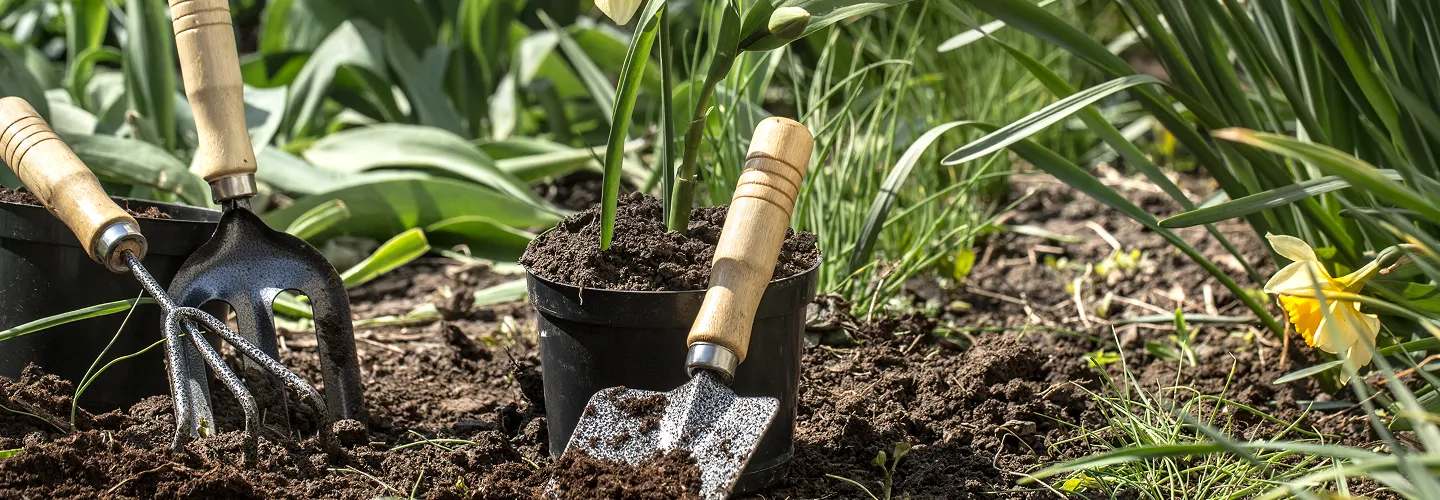
Americus Flower Bed Maintenance Services
Choose our expert Flower Bed Maintenance for lush, healthy blooms and a weed-free landscape—enjoy professional care that saves you time and keeps your garden looking its best.
Get a Free QuoteOur Americus Landscaping & Yard Care Services
When to Schedule Flower Bed Maintenance in Americus, Georgia – Seasonal Guide
In Americus, Georgia, the timing of flower bed maintenance is closely tied to our region’s unique climate and landscape. With mild winters and hot, humid summers, the best periods for comprehensive flower bed care are early spring—just after the last frost—and late fall, before the first cold snap. These windows allow for soil preparation, mulching, and planting without the stress of extreme temperatures or drought. Neighborhoods near Lake Blackshear and the historic downtown area often experience slightly different microclimates, so it’s important to consider your specific location when planning maintenance.
Local environmental factors such as our clay-heavy soils, variable rainfall, and the prevalence of shade from mature oaks and pecans in areas like Rees Park and Lee Street can all impact the health and timing of your flower beds. Monitoring the official city resources for updates on municipal watering restrictions or seasonal advisories can also help you plan effectively. By tailoring your maintenance schedule to Americus’s conditions, you’ll ensure vibrant, healthy beds throughout the year.
Local Factors to Consider for Flower Bed Maintenance in Americus
- Tree density and shade coverage, especially in older neighborhoods
- Soil type (clay vs. sandy loam) and drainage
- Average precipitation and drought risk during summer months
- Frost dates (typically late March and early November)
- Terrain and slope, which affect water runoff
- Municipal restrictions on watering or chemical use
Benefits of Flower Bed Maintenance in Americus
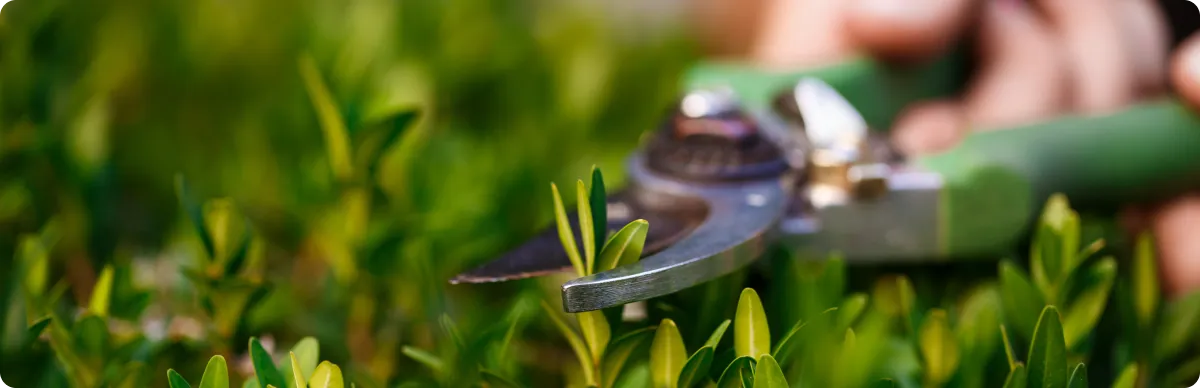
Enhanced Curb Appeal
Weed and Pest Prevention
Healthier Plant Growth
Seasonal Color Variety
Professional Landscaping Expertise
Increased Property Value
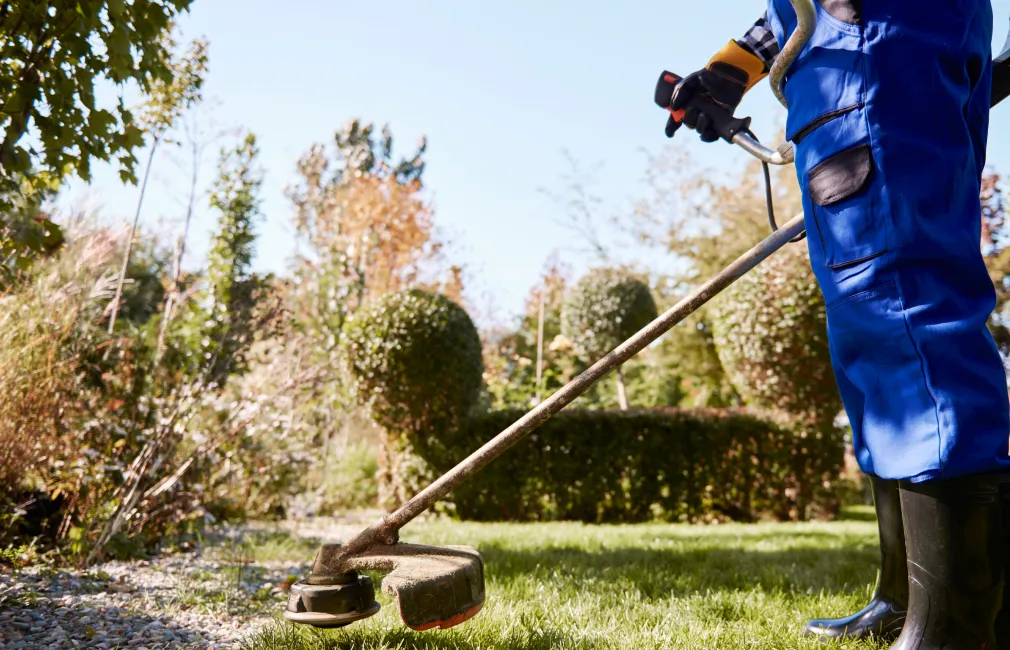
Americus Flower Bed Maintenance Types

Seasonal Mulching
-
Weed Control Services
-
Soil Amendment
-
Pruning and Deadheading
-
Fertilization Programs
-
Pest and Disease Management
-
Edging and Bed Redefining
Our Flower Bed Maintenance Process
Site Evaluation
Weed Removal
Soil Cultivation
Mulching
Plant Care
Why Choose Americus Landscape Services
-
Americus Homeowners Trust Us
-
Expert Lawn Maintenance
-
Reliable Scheduling
-
Competitive Pricing
-
Professional Team
-
Satisfaction Guarantee
-
Personalized Service
Americus Soil Conditions and Their Impact on Flower Bed Health
Americus sits within Georgia's Upper Coastal Plain, where soils transition from Piedmont clay influences to sandy Coastal Plain compositions. The predominant soil series in the Americus area—including Orangeburg, Faceville, and Tifton sandy loams—tend toward acidic pH levels, often ranging from 5.0 to 6.2. These well-drained to moderately well-drained soils can lose nutrients quickly through leaching, making soil amendment a critical component of flower bed maintenance. Property owners should conduct soil tests through the UGA Cooperative Extension office in Sumter County every two to three years to guide lime and fertilizer applications. Key considerations for Americus flower beds include:
- Organic matter depletion: Sandy loam soils benefit from annual additions of compost or aged pine bark to improve moisture retention and nutrient-holding capacity.
- pH correction: Most ornamental bed plants perform best at pH 6.0–6.5; lime applications in fall allow adequate reaction time before spring planting.
- Drainage assessment: While most local soils drain well, compacted urban lots near downtown Americus may require raised bed construction or subsurface amendment.
Residents can verify their property's specific soil series using the USDA Web Soil Survey, which provides parcel-level data for Sumter County. Understanding these baseline conditions is essential before selecting plants or establishing a mulch and fertilization schedule. Americus falls within USDA Plant Hardiness Zone 8b, supporting a wide range of warm-season annuals and perennials suited to the region's long growing period.
Seasonal Planting and Bed Refresh Timing for Americus's Extended Growing Season
Americus's long frost-free period—typically from mid-March through mid-November—provides an extended window for flower bed establishment and seasonal rotations. The National Weather Service Peachtree City office, which covers the Americus area, records average last spring frost dates near March 15 and first fall frost dates around November 15, yielding approximately 245 growing days annually. This climate supports at least two full seasonal bed rotations per year and, in many cases, three distinct planting cycles:
- Spring installation (mid-March through April): Warm-season annuals such as lantana, pentas, vinca, and zinnias can be planted after the last frost date. Soil temperatures should reach 60°F at a 4-inch depth before transplanting tender species.
- Summer refresh (June through July): Replace spent cool-season holdovers and deadhead or cut back leggy spring plantings. Supplemental irrigation is critical during Americus's hottest months, when daytime highs regularly exceed 90°F.
- Fall transition (September through October): Install cool-season annuals such as pansies, violas, ornamental kale, and snapdragons for color through winter. Fall is also the optimal window for dividing and transplanting established perennials like daylilies, coneflowers, and salvias.
Mulch should be refreshed to a depth of two to three inches during each seasonal rotation, using pine straw or shredded hardwood bark. Avoid piling mulch against plant stems, which promotes crown rot in Americus's humid summer conditions.
How Americus Code Enforcement Standards Affect Flower Bed and Property Upkeep
The City of Americus enforces property maintenance standards that directly affect flower bed conditions, particularly regarding overgrowth, weed accumulation, and debris on residential and commercial frontages. Americus Code Enforcement monitors properties for violations related to unmaintained vegetation, accumulated yard waste, and conditions that may harbor pests or create neighborhood blight. Property owners and managers should be aware of the following compliance considerations:
- Weed and overgrowth control: Flower beds that become overgrown with weeds or invasive vegetation may trigger code enforcement action. Regular weeding, edging, and bed maintenance help maintain compliance.
- Debris and waste accumulation: Spent plant material, old mulch piles, and discarded containers should not be left in beds or along the curb for extended periods. Coordinate disposal through the Americus Public Works Department for yard waste collection guidance.
- Frontage visibility: Beds located near sidewalks, driveways, or intersections must not obstruct sightlines for pedestrians or vehicles. Maintain plant heights below 30 inches in these areas, or verify current requirements with the city.
Residents with questions about property maintenance standards or potential violations should contact Americus Code Enforcement directly. The Americus Community and Economic Development department also provides access to relevant municipal ordinances governing land use and property standards.
Americus Code Enforcement
101 West Lamar Street, Americus, GA 31709
Phone: (229) 924-4411
Official Website: Americus Code Enforcement
Americus Public Works Department
101 West Lamar Street, Americus, GA 31709
Phone: (229) 924-4411
Official Website: Americus Public Works Department
Protecting Americus Storm Drains and Muckalee Creek Corridors During Bed Maintenance
Americus is situated within the Muckalee Creek and Flint River watersheds, and flower bed maintenance activities—particularly fertilizer application, soil amendment, and mulch installation—can contribute to stormwater runoff if not managed carefully. The Georgia EPD Watershed Protection Branch oversees water quality standards that apply to urban runoff throughout the state, and property owners in Americus share responsibility for preventing nutrient and sediment discharge into local waterways. Practical precautions for flower bed maintenance near drainage infrastructure include:
- Fertilizer containment: Apply granular or liquid fertilizers only to bed surfaces, not to adjacent sidewalks, driveways, or curb areas where they can wash into storm drains. Sweep any spilled material back into beds immediately.
- Mulch placement: Secure mulch within bed borders using edging or natural barriers. Loose mulch that migrates into gutters or drainage ditches can clog stormwater inlets and degrade water quality.
- Soil disturbance timing: Avoid major bed renovation or soil tilling during heavy rain forecasts. Exposed soil is highly susceptible to erosion, particularly on sloped lots draining toward Muckalee Creek or its tributaries.
- Pesticide and herbicide buffers: When treating beds near drainage swales, ditches, or creek-adjacent properties, maintain a minimum untreated buffer and follow all label setback requirements.
Any professional applicator performing pesticide or fertilizer work in Americus flower beds must hold appropriate credentials under the Georgia Pesticide Use and Application Act of 1976, administered by the Georgia Department of Agriculture. The Americus Water and Sewer Department can provide additional guidance on local stormwater management expectations.
Americus Water and Sewer Department
101 West Lamar Street, Americus, GA 31709
Phone: (229) 924-4411
Official Website: Americus Water and Sewer Department
Selecting Heat-Tolerant and Native Bed Plants Suited to Americus Landscapes
Plant selection is the single most consequential decision in flower bed maintenance for Americus properties. The combination of Zone 8b warmth, acidic sandy loam soils, intense summer humidity, and periodic drought stress narrows the range of species that will thrive without excessive intervention. UGA Cooperative Extension recommends prioritizing Georgia-adapted and native species that tolerate the region's conditions with minimal supplemental care. Recommended categories for Americus flower beds include:
- Heat-tolerant annuals: Lantana, pentas, angelonia, vinca (Catharanthus roseus), and ornamental sweet potato vine perform reliably through Americus summers with minimal irrigation once established.
- Perennials for repeat performance: Black-eyed Susan (Rudbeckia), coneflower (Echinacea), salvia (Salvia guaranitica and S. leucantha), daylilies, and native asters return annually and tolerate the region's soil and heat.
- Native groundcovers for bed edges: Green-and-gold (Chrysogonum virginianum) and native ferns work well in shaded bed areas beneath mature pecan and oak canopies common throughout Americus neighborhoods.
- Pollinator-friendly selections: Native bee balm, coreopsis (Georgia's state wildflower), and butterfly weed (Asclepias tuberosa) support local pollinator populations while reducing maintenance demands.
Avoid species that require consistently moist, cool conditions or neutral-to-alkaline soils, as these will struggle in Americus without costly and ongoing amendment. Residents should also monitor for invasive species such as Chinese privet and Japanese honeysuckle that can colonize neglected beds; the UGA Extension Invasive Species program provides identification and management resources.
What Neighborhoods Do We Serve Throughout Americus, GA?
- Historic Downtown and Windsor Hotel District: Older residential and mixed-use properties in this area feature mature tree canopies, established foundation beds, and historic-character expectations. Flower bed maintenance here often involves working around root zones of large oaks and pecans, managing shade-tolerant plantings, and maintaining frontage aesthetics consistent with the district's character.
- Rees Park and Surrounding Residential Streets: This well-established neighborhood near Rees Park features moderate lot sizes with full-sun to partial-shade bed exposures. Proximity to park greenspace and drainage corridors requires attention to mulch containment and fertilizer runoff prevention.
- South Lee Street Corridor: Properties along this corridor range from single-family homes to institutional grounds. Sandy loam soils drain quickly, and beds often require supplemental organic matter and consistent mulch coverage to retain moisture during summer.
- Habitat for Humanity Global Village Area: Newer construction in this area may present compacted fill soils that require amendment before productive flower beds can be established. Raised beds or deep compost incorporation may be necessary.
- Lake Blackshear and Muckalee Creek-Adjacent Properties: Lots near these water features face higher humidity at the micro-level, increased pest pressure, and environmental sensitivity. Bed maintenance near waterways must prioritize fertilizer containment and erosion control to protect water quality under Georgia EPD standards.
- Georgia Southwestern State University Vicinity: Residential properties near the university campus feature a mix of mature and recently developed lots. Bed maintenance in this area often addresses shade from established hardwoods, pedestrian-adjacent frontage visibility, and seasonal color rotations aligned with the academic calendar.