
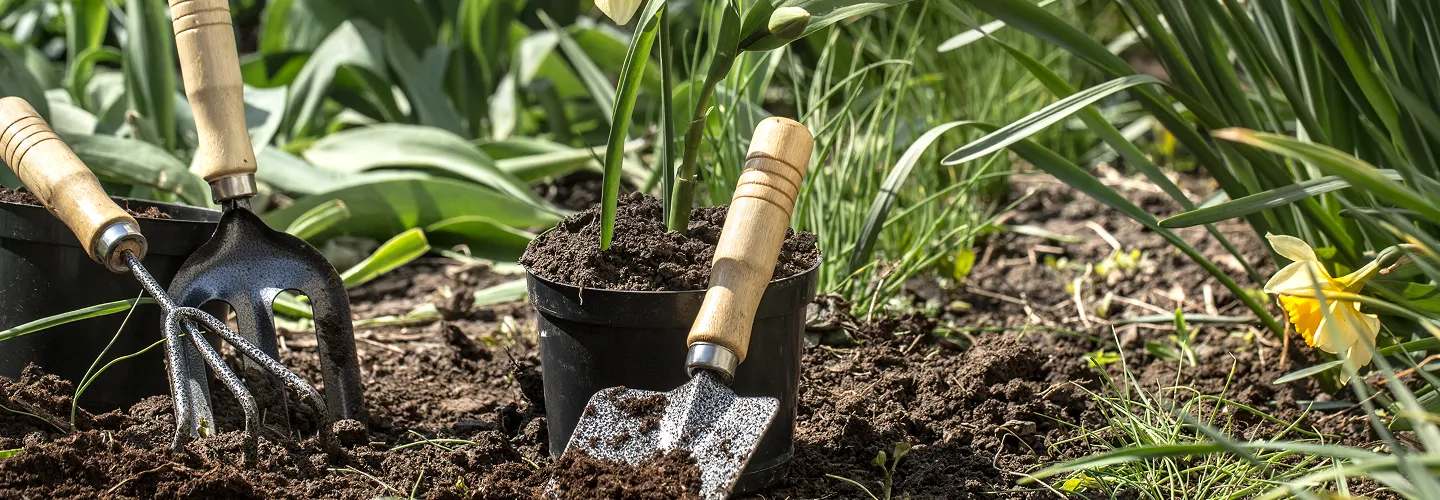
Americus Lawn Seeding Services
Choose our expert lawn seeding services for a lush, resilient yard—our proven methods ensure even growth, improved soil health, and a beautiful lawn that stands out season after season.
Get a Free QuoteOur Americus Landscaping & Yard Care Services
When to Schedule Lawn Seeding in Americus, Georgia – Seasonal Guide
In Americus, Georgia, timing your lawn seeding is crucial for achieving a lush, healthy yard that thrives in our unique climate. The best periods for seeding are typically late summer through early fall, when soil temperatures remain warm but the risk of extreme heat and drought diminishes. This window allows new grass to establish strong roots before the cooler winter months arrive. Spring can also be suitable, especially for repairing bare patches, but be mindful of the region’s unpredictable rainfall and the potential for late frosts.
Local factors such as the sandy soils near Rees Park, the shade from mature oaks in the Lee Street Historic District, and the humidity levels common to Sumter County all play a role in determining the optimal seeding schedule. Homeowners should also consider Americus’s average first and last frost dates, as well as any municipal watering restrictions. For more detailed climate data and local guidelines, visit the official city resource.
Local Factors to Consider for Lawn Seeding in Americus
- Tree density and shade coverage, especially in neighborhoods like South Lee Street
- Soil type and drainage, with sandy soils requiring different care than clay-rich areas
- Average precipitation and drought risk during late summer and early fall
- Terrain slope, which can affect water runoff and seed establishment
- Municipal watering restrictions or seasonal ordinances
- Proximity to landmarks such as GSW University, which may influence microclimates
Benefits of Lawn Seeding in Americus
Thicker, Healthier Lawns
Improved Curb Appeal
Weed and Pest Resistance
Customized Seed Blends
Expert Local Knowledge
Cost-Effective Lawn Solutions
Americus Lawn Seeding Types

Cool-Season Grass Seeding
-
Warm-Season Grass Seeding
-
Overseeding Existing Lawns
-
Erosion Control Seeding
-
Native Grass Seeding
-
Shade-Tolerant Lawn Seeding
-
Drought-Resistant Grass Seeding
Our Lawn Seeding Process
Site Preparation
Soil Testing
Seed Selection
Seeding Application
Watering and Maintenance
Why Choose Americus Landscape Services
-
Americus Homeowners Trust Us
-
Expert Lawn Maintenance
-
Reliable Scheduling
-
Competitive Pricing
-
Professional Team
-
Satisfaction Guarantee
-
Personalized Service
Americus Coastal Plain Soils and Their Impact on Lawn Seeding Success
Americus sits within Georgia's Upper Coastal Plain region, where soils are predominantly from the Orangeburg, Norfolk, and Tifton series—sandy loams and loamy sands that are naturally acidic, often registering a pH between 4.8 and 6.0. These well-drained to excessively drained soils present distinct challenges for lawn seeding projects. Seed-to-soil contact is critical, yet sandy substrates allow rapid moisture loss during germination windows. Property owners should obtain a soil test through the UGA Cooperative Extension Sumter County office before seeding to determine precise pH, phosphorus, and potassium levels. Key soil considerations for Americus lawn seeding include:
- Low organic matter: Sandy Coastal Plain soils typically contain less than 1.5% organic matter, reducing moisture retention around germinating seeds
- Acidic pH: Lime applications of 30–50 lbs per 1,000 sq ft may be necessary to raise pH to the 6.0–6.5 range preferred by most warm-season turf grasses
- Rapid drainage: Supplemental irrigation during the first 14–21 days after seeding is essential to prevent desiccation
Soil data for Sumter County parcels can be verified through the USDA Web Soil Survey.
Optimal Seeding Windows for Americus's USDA Zone 8b Growing Season
Americus falls within USDA Hardiness Zone 8b, characterized by average minimum winter temperatures of 15°F to 20°F, a long warm season extending from April through October, and average annual rainfall near 48 inches. These conditions define specific seeding windows that property owners and managers must observe for successful establishment. Warm-season turf grasses—the primary candidates for Americus lawns—require soil temperatures consistently at or above 65°F for germination. Based on National Weather Service climate data and UGA Extension guidance, recommended seeding periods are:
- Common bermudagrass: Late April through June, when soil temperatures at 4-inch depth reach 65°F–70°F
- Centipedegrass: Mid-May through mid-July, requiring sustained soil warmth above 70°F
- Bahiagrass: May through July, tolerating Americus's sandy soils and lower fertility conditions
- Overseeding with ryegrass (cool-season temporary cover): Mid-October through mid-November, after bermudagrass begins dormancy
Seeding outside these windows significantly increases failure rates. Late-summer seeding risks insufficient root development before Americus's first average frost date in mid-November.
Protecting Muckalee Creek Corridors and Americus Storm Drains During Seeding Projects
Lawn seeding projects in Americus require careful attention to stormwater infrastructure and local waterway protection. Muckalee Creek and its tributaries flow through and around the city, and exposed soil during seedbed preparation creates erosion and sediment runoff risk—particularly during Americus's frequent spring and summer thunderstorms. The Georgia EPD Watershed Protection Branch enforces water quality standards that apply to sediment discharge into state waters, and the federal Clean Water Act prohibits unpermitted pollutant discharges. Practical steps to protect local waterways during lawn seeding include:
- Install silt fencing or straw wattle barriers on slopes draining toward creeks, ditches, or storm inlets
- Avoid stockpiling topsoil or amendments within 25 feet of drainage swales or stormwater catch basins
- Apply straw mulch at 1.5–2 bales per 1,000 sq ft over seeded areas to reduce splash erosion
- Time seedbed preparation to avoid periods when heavy rain is forecast within 48 hours
The Americus Public Works Department manages the city's storm drain system and can provide guidance on inlet locations and drainage flow paths relevant to specific properties.
Americus Public Works Department
109 Mayo Street, Americus, GA 31709
Phone: (229) 924-4411
Official Website: Americus Public Works Department
How Americus Code Enforcement Standards Affect Bare and Unseeded Lots
Property owners in Americus should be aware that bare or poorly maintained lots may trigger code enforcement action. The Americus Code Enforcement office enforces property maintenance standards that address overgrowth, erosion, and nuisance conditions on residential and commercial parcels. While lawn seeding itself does not require a permit, properties left with exposed soil for extended periods can contribute to sediment runoff, attract weed colonization, and create neighborhood complaints. Relevant compliance considerations include:
- Vegetation height: Properties with grass or weeds exceeding city-specified height thresholds may receive violation notices; newly seeded areas should be managed to prevent weed overgrowth during establishment
- Erosion control: Lots with visible erosion channels or sediment leaving the property may be subject to corrective action
- Frontage maintenance: Properties along city rights-of-way must maintain ground cover to preserve sightlines and drainage function
Before beginning a seeding project on a vacant or recently cleared lot, property owners should verify current property maintenance requirements through the Americus Code Enforcement office or review applicable ordinances through the Community and Economic Development department.
Americus Code Enforcement
101 West Lamar Street, Americus, GA 31709
Phone: (229) 924-4411
Official Website: Americus Code Enforcement
Georgia Fertilizer Regulations and Starter Applications for Newly Seeded Americus Lawns
Starter fertilizer is a standard component of professional lawn seeding, and its use in Georgia is governed by the Georgia Fertilizer Act of 1997, administered by the Georgia Department of Agriculture. This law regulates fertilizer labeling, nutrient content guarantees, and distribution standards. Property owners and lawn care professionals in Americus should observe the following practices when applying fertilizer at seeding:
- Soil test first: UGA Extension recommends applying only nutrients identified as deficient; Americus's sandy, acidic soils frequently require phosphorus and potassium supplementation
- Starter fertilizer rates: A typical application of 5-10-15 or similar high-phosphorus blend at 5–8 lbs per 1,000 sq ft supports root development without excess nitrogen that promotes weed competition
- Application timing: Incorporate starter fertilizer into the top 2–4 inches of soil during seedbed preparation, before seed placement
- Buffer compliance: Do not apply fertilizer within 10 feet of any storm drain inlet, ditch, or waterway edge to reduce nutrient runoff into Muckalee Creek and its tributaries
Commercial applicators must ensure all fertilizer products used carry proper Georgia Department of Agriculture registration and labeling.
What Neighborhoods Do We Serve Throughout Americus, GA?
- Historic Downtown Americus: Older residential lots near the downtown core often feature compacted soils from decades of development, mature shade trees reducing sunlight to turf, and smaller lot sizes requiring precise seed selection for partial-shade tolerance.
- Rees Park / Hospital Area: Properties near Phoebe Sumter Medical Center and Rees Park tend toward level terrain with moderate drainage; proximity to park greenspace and stormwater infrastructure requires attention to sediment control during seeding.
- South Lee Street Corridor: This established residential area includes a mix of lot sizes with sandy loam soils typical of the Tifton and Orangeburg series, supporting bermudagrass and centipedegrass seeding with proper soil amendment.
- Habitat for Humanity / West Americus: Newer construction areas may have disturbed or fill soils with reduced organic matter, requiring additional topsoil preparation and lime application before seeding.
- Lake Blackshear / Eastern Sumter County Fringe: Properties near Lake Blackshear and along eastern approaches feature sandier soils with rapid drainage, making irrigation scheduling and mulch cover critical during seed germination.
- Georgia Southwestern State University Area: Residential neighborhoods adjacent to the university campus include mature canopy cover and established drainage patterns; shade-tolerant seed blends and careful timing around academic-year activity are practical considerations.