
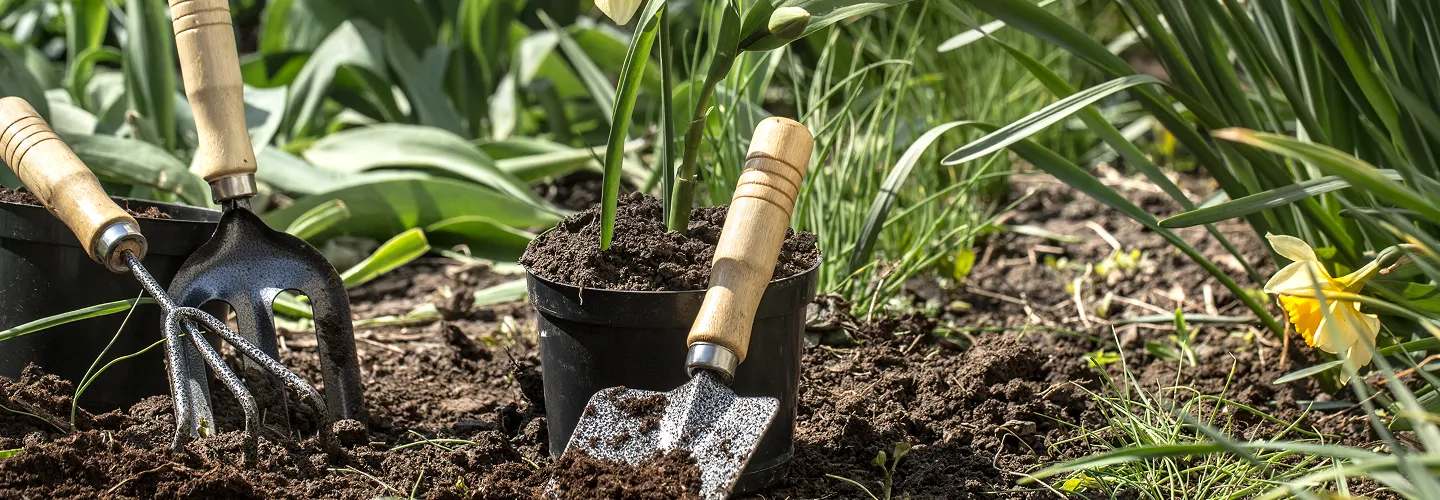
Americus Weeding Services
Choose our expert weeding services for a healthier, more vibrant landscape—our skilled team ensures your garden stays pristine, letting your plants thrive without competition.
Get a Free QuoteOur Americus Landscaping & Yard Care Services
When to Schedule Weeding in Americus, Georgia – Seasonal Guide
In Americus, Georgia, the timing of weeding is crucial for maintaining healthy, attractive landscapes throughout the year. Thanks to our region’s humid subtropical climate, weeds can thrive nearly year-round, but the most effective weeding is typically done in early spring and late fall. These periods align with the last frost date—usually in late March—and before the first frost in November, allowing you to target weeds before they set seed and after summer growth slows. Neighborhoods near Lake Philema or the shaded streets of Rees Park Historic District may experience different weed pressures due to varying shade coverage and soil moisture. Areas with sandy soils, common around the outskirts of Americus, may require more frequent attention, especially after heavy rains or during drought spells. Local environmental factors such as high humidity, periodic drought risk, and the prevalence of clay-rich soils all play a role in determining the best weeding schedule. For more information on local climate and gardening resources, visit the Sudbury municipal site.
Local Factors to Consider for Weeding in Americus
- Tree density and shade coverage (e.g., neighborhoods like Lee Street Historic District)
- Soil type: sandy vs. clay-rich soils
- Seasonal precipitation and drought risk
- Frost dates (late March and early November)
- Terrain and slope, especially in areas near Muckalee Creek
- Municipal restrictions or local ordinances on herbicide use
Benefits of Weeding in Americus
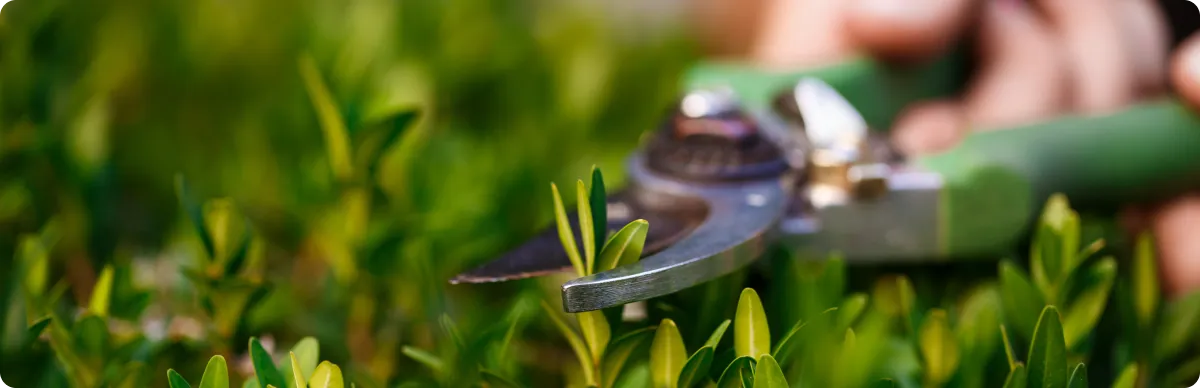
Enhanced Curb Appeal
Healthier Plant Growth
Reduced Pest Infestation
Improved Soil Quality
Increased Property Value
Professional and Reliable Service
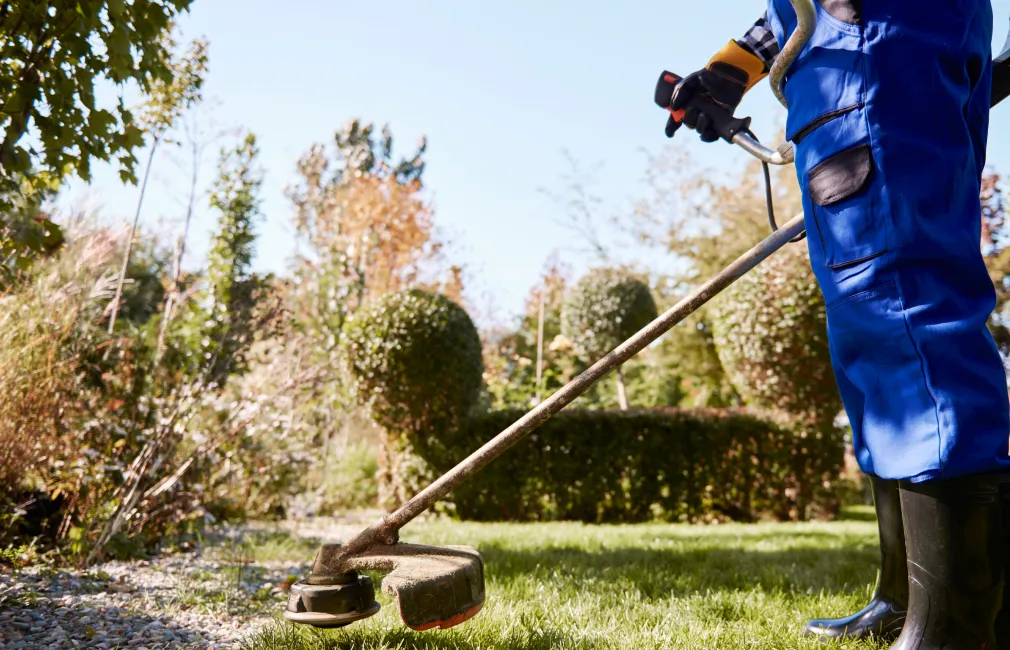
Americus Weeding Types

Hand Weeding
-
Mechanical Weeding
-
Mulching for Weed Control
-
Chemical Weed Removal
-
Flame Weeding
-
Soil Solarization
-
Organic Weed Management
Our Weeding Process
Site Evaluation
Weed Identification
Targeted Removal
Soil Treatment
Final Inspection
Why Choose Americus Landscape Services
-
Americus Homeowners Trust Us
-
Expert Lawn Maintenance
-
Reliable Scheduling
-
Competitive Pricing
-
Professional Team
-
Satisfaction Guarantee
-
Personalized Service
Americus Code Enforcement and Property Standards for Weed Control Compliance
Property owners and managers in Americus are responsible for maintaining lots free of excessive weed growth under the city's property maintenance standards. The Americus Code Enforcement office monitors residential and commercial parcels for overgrown vegetation, including weeds that exceed height thresholds or encroach on sidewalks, rights-of-way, and neighboring properties. Violations may result in notices requiring corrective action within a specified timeframe. Key compliance considerations include:
- Maintaining turf and garden beds so that weed growth does not exceed city-established height limits
- Keeping sidewalks, curb strips, and drainage ditches clear of invasive or nuisance vegetation
- Addressing vacant lot overgrowth promptly to avoid repeat citations or city-initiated abatement
Property owners who receive a notice should verify current requirements and deadlines directly with the department. Proactive weeding schedules—particularly from April through October, when Americus's long warm season accelerates growth—help avoid code issues before they arise.
Americus Code Enforcement
101 West Lamar Street, Americus, GA 31709
Phone: (229) 924-4411
Official Website: Americus Code Enforcement
How Americus's Coastal Plain Soils Influence Weed Pressure and Removal Methods
Americus sits within Georgia's Upper Coastal Plain region, where soils are predominantly from the Tifton, Orangeburg, and Norfolk series—sandy loams with moderate to rapid drainage and naturally acidic pH levels typically ranging from 4.5 to 6.0. These conditions directly affect weed management strategies. Sandy, well-drained soils warm quickly in spring, giving warm-season weeds like crabgrass, chamberbitter, and nutsedge an early foothold, often germinating by mid-March when soil temperatures reach 55°F at a four-inch depth.
Effective weeding in these soils requires attention to:
- Soil moisture timing: Pull weeds after rainfall or irrigation when sandy loam loosens, allowing full root extraction
- Mulch depth: Apply 2–3 inches of organic mulch in beds to suppress germination in fast-draining soils where bare ground dries and cracks quickly
- pH management: Acidic soils favor certain weeds such as broomsedge and sorrel; a soil test through the UGA Cooperative Extension can guide lime amendments that shift conditions in favor of desirable plants
Residents can access soil data for their specific parcel through the USDA Web Soil Survey.
Seasonal Weeding Windows and Timing for Americus's USDA Zone 8b Climate
Americus falls within USDA Hardiness Zone 8b, with average minimum winter temperatures between 15°F and 20°F and a growing season that typically extends from mid-March through late November. This prolonged warm period means weed pressure in Americus is sustained for roughly eight months, requiring a structured seasonal approach:
- Late February–March: Apply pre-emergent weed barriers in garden beds before soil temperatures consistently exceed 55°F; hand-pull cool-season weeds like henbit and chickweed before they set seed
- April–June: Peak germination period for summer annuals including crabgrass, spurge, and chamberbitter; weekly weeding of beds and borders is advisable
- July–September: Sustained heat and afternoon thunderstorms accelerate regrowth; focus on nutsedge and perennial weed rhizomes during this window
- October–November: Remove late-season weed growth before seed dispersal; clear beds ahead of fall planting
The National Weather Service Peachtree City office provides local forecasts that help residents time weeding around rainfall for easier root removal.
Protecting Americus Storm Drains and Muckalee Creek Corridors During Weeding Operations
Americus's stormwater infrastructure drains into Muckalee Creek and its tributaries, which flow through and around the city. Weeding activities—particularly those involving herbicide application or large-scale vegetation removal—must account for runoff risks to these waterways. The Georgia EPD Watershed Protection Branch oversees water quality standards that apply to activities affecting surface water, and the city's own Public Works Department manages storm drain maintenance and infrastructure.
Residents and service providers should observe these precautions:
- Never dispose of pulled weeds, soil, or organic debris into storm drains, ditches, or drainage swales
- Avoid bare-soil exposure on slopes or near creek banks after weeding; apply mulch or ground cover promptly to prevent erosion
- If using any herbicide product near waterways, confirm the product label permits use near aquatic environments and maintain appropriate buffer distances
- Bag and remove weed material from sites adjacent to drainage corridors rather than composting in place
Americus Public Works Department
101 West Lamar Street, Americus, GA 31709
Phone: (229) 924-4411
Official Website: Americus Public Works Department
Georgia Herbicide Licensing Requirements for Professional Weeding Services
When weeding services in Americus involve the application of any herbicide—including pre-emergent granulars, post-emergent sprays, or non-selective products—Georgia law requires that commercial applicators hold appropriate credentials. Under the Georgia Pesticide Use and Application Act of 1976, any person applying pesticides (including herbicides) for hire must be licensed or work under the direct supervision of a licensed applicator. The Georgia Department of Agriculture administers this licensing program.
Americus property owners hiring weeding professionals should verify:
- The contractor holds a valid Georgia Commercial Pesticide Applicator License in the appropriate category (Category 3 – Ornamental and Turf, or Category 6 – Right-of-Way)
- Applicators carry proof of licensure and can provide it upon request
- All herbicide applications follow label directions, including application rates, reentry intervals, and environmental restrictions
- Records of application—product name, EPA registration number, date, and location—are maintained as required by state law
Homeowners applying herbicides on their own property are not required to hold a commercial license but must still follow all product label instructions, which carry the force of federal law under EPA Region 4 oversight.
What Neighborhoods Do We Serve Throughout Americus, GA?
- Historic Downtown and Windsor Hotel District: Older residential lots with mature landscaping, compacted soils, and brick or stone borders where weeds establish in cracks, joints, and shaded bed edges; historic property standards may apply to frontage maintenance.
- Rees Park and Surrounding Streets: Established mid-century neighborhood with large shade trees creating low-light conditions that favor shade-tolerant weeds like doveweed and Virginia buttonweed in turf and bed areas.
- South Lee Street Corridor: Mixed residential and institutional properties with varying lot sizes; proximity to Muckalee Creek tributaries requires careful weed debris management to protect drainage flow.
- Habitat for Humanity Neighborhoods (West Americus): Newer construction on previously undeveloped land where disturbed soils and fill material create high weed germination rates in the first several growing seasons.
- Georgia Southwestern State University Vicinity: Dense rental housing with smaller lots where consistent bed and border weeding prevents encroachment onto sidewalks and shared property lines.
- Lake Blackshear Road and Eastern Sumter County Fringe: Larger rural-residential parcels transitioning into city limits, with sandy Tifton-series soils and open sun exposure that support aggressive warm-season weed species including sandspur and bahiagrass volunteers.